Kialo vs Structured Live Debate Platforms
Kialo maps arguments visually; live platforms score them in real time against opponents.

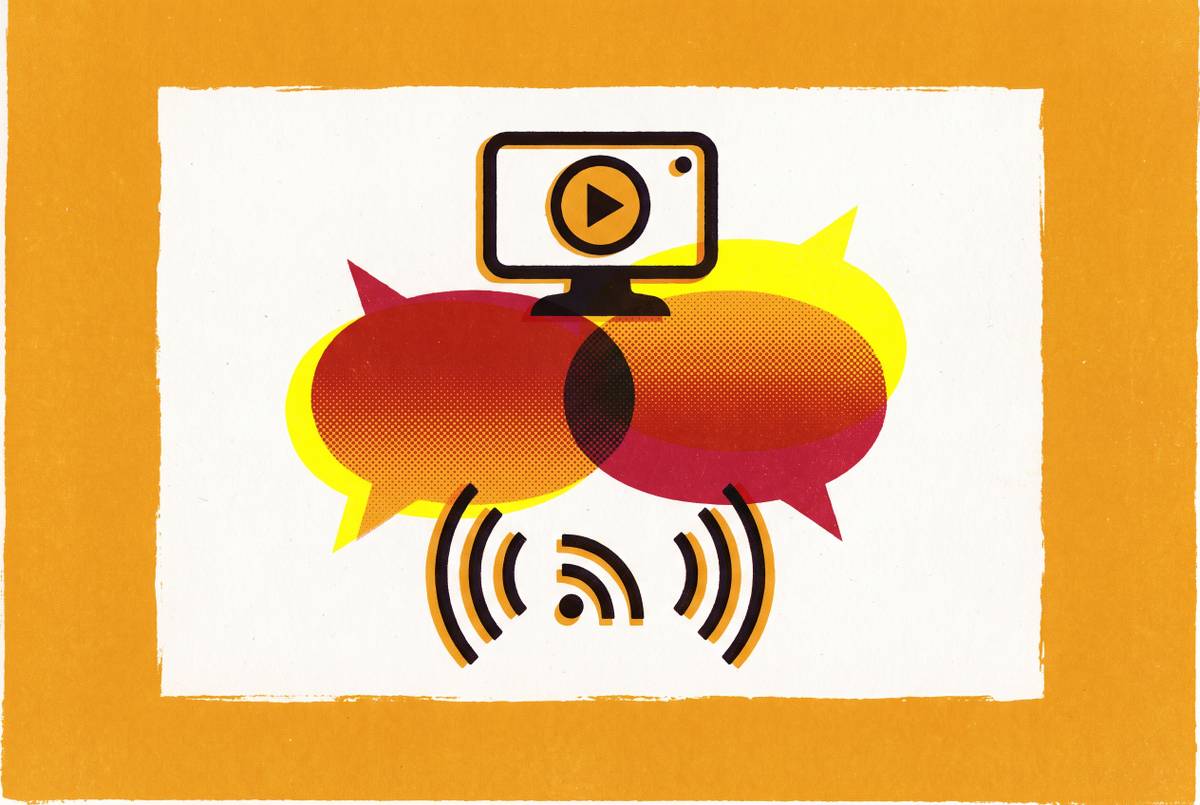
Anyone searching for a "debate platform" right now is likely running into a problem that has nothing to do with features or price: the search term itself hides two unrelated products under one label. Kialo and live debate platforms both get filed under the same keyword, and that filing is the source of most of the frustration people report when they pick one and find it does not do what they expected. Kialo builds a persistent, written map of an argument's structure. A live debate platform builds spoken argument under a clock, against an opponent who talks back. These are different jobs, done with different materials, judged by different standards. The confusion is not new, but it has gotten harder to spot lately, because AI judging, ELO-style rankings, and argument visualization have spread across both categories and now sound like the same vocabulary even though they measure entirely different things.
What Kialo is built to do
Kialo is an argument-mapping platform, and its entire design serves one purpose: making the shape of a disagreement visible and keeping it that way. Every debate on Kialo starts with a thesis statement. From there, registered users add claims underneath it, sorted into Pro and Con columns, and each of those claims can itself be supported or challenged by further sub-claims, growing into a branching tree. Other users rate each claim's impact, and that rating determines where it sits and how much weight it carries in the structure. Anyone can arrive at a Kialo discussion days or months after it started and see the entire reasoning history laid out at once, which is something no spoken debate can offer once the round has ended and the recording stops.
The platform also builds in a habit that most argument spaces never ask for: contributors frequently write counterpoints to their own claims. That is a direct product of the tree format. A structure that rewards a well-supported claim regardless of who posted it makes steelmanning your own position a rational move. Kialo launched in August 2017 and has since grown into a platform with a large user base spread across many countries, hosting discussions in at least 49 different languages. In January 2025, at a ceremony held on the 22nd at The Brewery in London, it won the Bett Award 2025 for Best Free Digital Content App or Open Educational Resource. It costs nothing to use, and students can join a discussion without creating an account or handing over an email address. None of this is built around speed, performance, or a scored outcome. It is built around giving a written argument a place to live, get challenged, and stay visible.
What live debate platforms are built to do instead
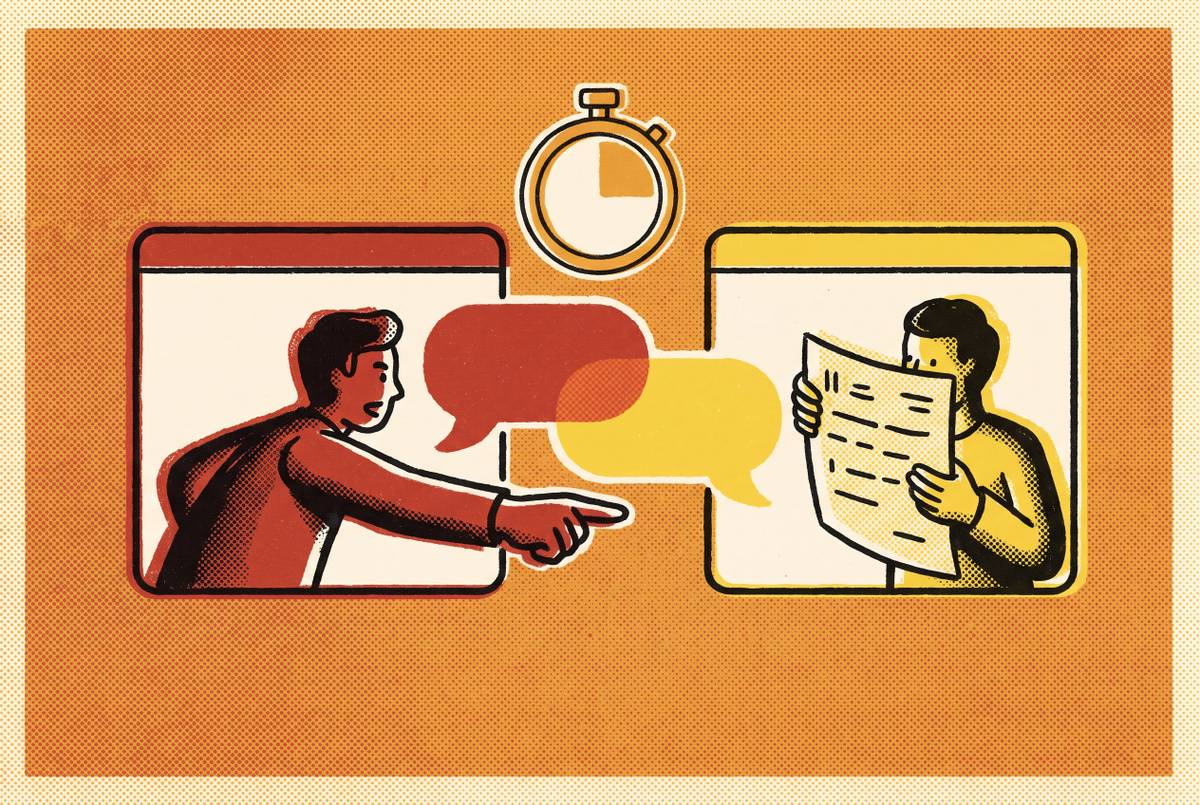
Live debate platforms start from a different set of constraints entirely: a real opponent, a fixed amount of time per speech, and a verdict delivered right after the final round ends. Where Kialo lets a contributor take as long as they need to word a claim precisely, a live platform puts a clock on the whole exchange and does not pause for revision. The experience sits closer to a sport than to a shared research project. A debater picks a side, argues it across a sequence of timed rounds, and receives a decision that references the specific things said during the match.
Debatable is a clear example of what this category is built for. It pairs people with human opponents in real time, or matches them against an AI opponent in voice rounds that start immediately, and it closes each round with a written decision from three independent AI models that scores both sides on logic, response quality, clarity, and persuasion. The scoring rules are published before the round starts, and the result can be appealed to a human reviewer. ArguFight, built around a different mechanic within the same category, runs on an ELO-based ranking system modeled on chess and competitive gaming: every debater starts at 1200, beating a stronger opponent earns more points than beating a weaker one, and losing to a weaker opponent costs more than losing to a stronger one. Its topic list spans Politics, Technology, Science, Sports, Entertainment, Music, and a general Other category, ranging from current events to philosophical questions to pop-culture arguments. Both platforms share the same underlying commitment: argument happens out loud, in real time, and ends in a verdict tied to what was actually said.
How the two design philosophies produce different skills
Once the mechanics are laid side by side, it becomes clear that each platform is training a different muscle, not offering a different flavor of the same exercise. Kialo trains the ability to see how claims nest inside one another and how a weak sub-claim drags down the parent claim sitting above it. It rewards patience: a contributor can draft a claim, step away, come back the next day, and refine the wording before anyone judges it. That same patience builds a habit of steelmanning, since the platform's own design nudges contributors to write counterarguments against their own positions. It also builds a sharper eye for evidence, since many classroom uses of Kialo require a citation before a claim is allowed to post.
Live platforms train something that looks related on paper but behaves completely differently in practice. Speaking under time pressure forces a debater to organize and deliver an argument before the round simply ends, ready or not. The opponent's rebuttal arrives whole, in real time, with no tree to rearrange and no sub-claims to quietly re-sort before anyone notices. Live platforms like Debatable put real weight behind that pressure: the round ends whether the debater is ready or not, which forces quick refutation and adaptive thinking rather than the careful, revisable construction that Kialo is built around. The weighting of a round itself often shifts as it goes on, with clarity and relevance mattering most early and persuasiveness carrying the most weight by the closing speech. And because the AI opponent on a platform like Debatable is instructed not to validate whatever position the user walks in with, debaters face a kind of resistance that a collaborative mapping tool, by design, cannot produce. A written tree can be edited until it holds together. A live opponent pushes back immediately, and there is no edit button.
Who belongs on each platform
Most people comparing these tools already have a specific goal in mind, and that goal tends to point clearly toward one platform or the other.
Kialo fits a teacher who wants a class to map the logical structure of a complicated policy question across several sessions, without needing every student online at the same time. It fits a researcher or writer who wants to pressure-test an argument by forcing every sub-claim to survive written challenge before committing to a final position. It fits a group that needs a shared, lasting record of where its collective reasoning stands, since the tree itself becomes the artifact and outlives the conversation that built it. In general, it fits anyone whose goal is understanding why the other side believes what it believes.
Live platforms fit someone training to hold a position out loud under pressure, the exact skill tested in competitive debate, in job interviews, in presentations, and in ordinary real-time disagreement. They fit a student or competitive debater who wants scored practice rounds with immediate feedback on logic, delivery, and persuasion. They fit a newcomer who wants to test an opinion against a real opponent without preparing a formal speech or holding any competitive background at all: Debatable accepts any experience level and matches a user right away. And they fit anyone who wants a ranking that actually tracks improvement over time rather than simply counting how often someone shows up.
The overlap between the two is narrower than it might first appear, but it is real, and it matters. A debater preparing for a live round can treat Kialo's public debates, spread across its many languages, as a structured library of arguments, using the tree to map out the strongest Pro and Con claims on a topic before ever stepping into a timed round. The two tools work in sequence rather than in competition: Kialo for preparation, a live platform for execution. That sequence is the most sophisticated use of either tool, and it becomes visible once the two are understood as serving different stages of the same process.
Why AI judging changes what live platforms can offer newcomers
AI judging is the single biggest reason live debate practice has become available to people without a coach, a club, or a scheduled tournament, because it removes the requirement that a trained human judge be sitting in the room. That shift matters for anyone who wants to practice spoken argument on a Tuesday night without waiting for a season to start.
An AI judging engine evaluates the structure of an argument, looking at claims, evidence, rebuttals, and conclusions, and it weights those criteria differently depending on where the debate stands: clarity and relevance carry more weight early in a round, and persuasiveness carries the most weight by the final speech. Fallacy detection, covering things like ad hominem attacks, straw men, and false dilemmas, surfaces as feedback rather than an automatic disqualification, so a round doubles as a lesson even when the debater loses it. The core fairness mechanism is the judging panel itself: three independent judges score each round separately, which limits how much any single model's particular quirks can swing a result. Debatable's version of this includes scoring rules published before the round starts, a panel built from three independent models, decisions that cite what was actually said during the round, and results that can be appealed to a human reviewer. The platform has no financial stake in who wins.
The strongest objection to AI judging deserves a direct answer. Research on AI judging in competitive debate contexts has found that some models disproportionately favor whichever speaker goes last, with the strength of this effect varying by model. That is a real limitation of the technology, and it is why panel design and published scoring criteria function as the structural counter to the problem. For a newcomer, the practical result is that a scored verdict on a platform like this can be checked against the actual transcript of the round and appealed if it looks wrong, which turns the score into a tool for learning rather than a verdict handed down with no explanation.
How to build a practice habit that uses each tool for what it does well
The fastest way to get better at spoken argument is a weekly routine that treats written mapping and live scored rounds as two stages of one process, not two activities to alternate between at random.
A workable structure for most people looks like this across a week. Early in the week, use Kialo's public debates to map the strongest arguments on both sides of whatever topic is coming up, since the tree format forces a kind of logical completeness that casual reading does not. Mid-week, take that same topic into a solo AI round on Debatable: the AI opponent will not validate the preparation from earlier in the week, and its job is to find the weakest point in the argument and force a real defense of it. Late in the week, take a live 1v1 round against a matched human opponent, where an ELO-style ranking means the opponent is calibrated to actual skill level rather than whatever the debater claims about themselves beforehand.
A competitive debater can run a version of the same structure between tournaments: Kialo's tree for building and stress-testing a case, scored practice rounds for feedback on logic, response quality, clarity, and persuasion between coached sessions, and a leaderboard that tracks real improvement. The discipline that makes any of this work is consistency of format. Arguing without structure does not build the skill. Every practice round, even an informal one, should still carry an opening statement, a rebuttal, and a closing, and it should end with a scored verdict that closes the loop. None of this requires a running start: a platform like Debatable matches people at any experience level immediately, asks for no prepared speech, and keeps an AI opponent available for a round that can start right now.